Trusted Materials
Roofing products are selected for weather resistance, fit, and long-term protection.

Trusted Roofers in Toronto
Toronto roof sealant repair for failed flashing caulk, skylight curbs, vent boots, and joint leaks. Polyurethane, butyl, silicone applied right.
Get To Know
Roof sealant failures are responsible for a large share of the leaks we trace on Toronto roofs. The shingle field is usually fine; the joint or detail where the shingle meets something else is where water sneaks in. Sealant repair makes sense when the failure is isolated to one or two details (a skylight perimeter, a vent boot, a chimney counterflashing seam) and the surrounding materials are sound. Sealant is not the answer when the underlying flashing itself has failed; that requires flashing replacement, not a fresh caulk line.
Roofing products are selected for weather resistance, fit, and long-term protection.
Registered, insured crews keep the site controlled and protect the property while they work.
Service Detail
Roof Sealant work starts with the symptom you can see, then narrows down the roof detail causing it. These notes explain what we check before recommending repair, replacement, or maintenance.
 Detail 01
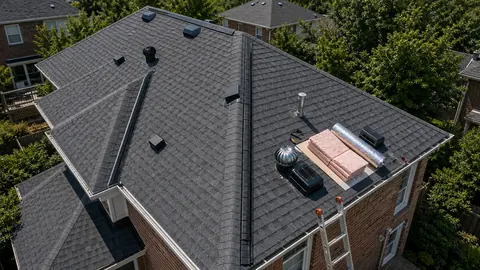
Roof sealant failures are responsible for a large share of the leaks we trace on Toronto roofs. The shingle field is usually fine; the joint or detail where the shingle meets something else is where water sneaks in. Sealant repair makes sense when the failure is isolated to one or two details (a skylight perimeter, a vent boot, a chimney counterflashing seam) and the surrounding materials are sound.
 Detail 02
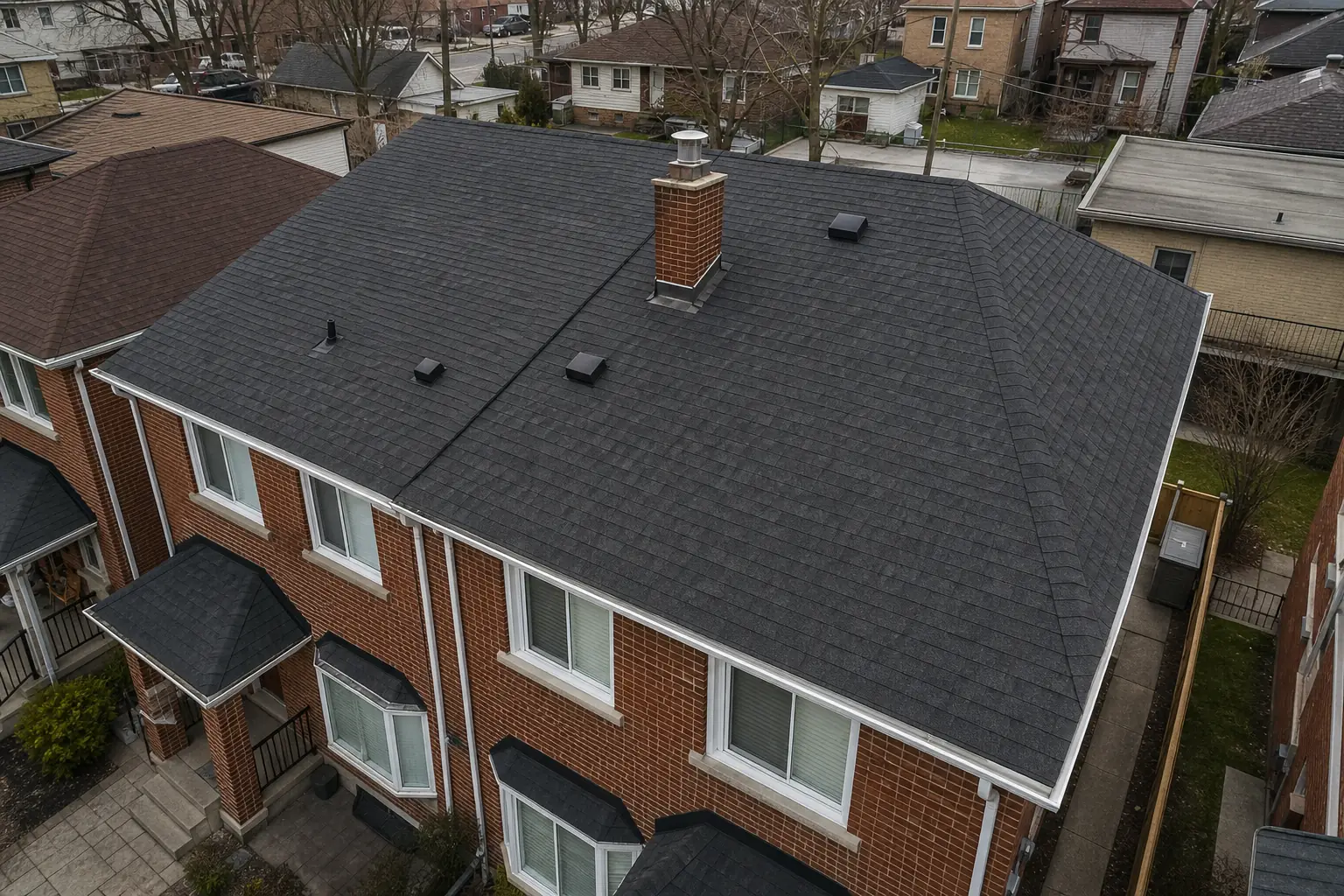
Polyurethane sealant is the workhorse for flashing-to-masonry joints, skylight curbs, and chimney counterflashing. Flexible, paintable, 10 to 20-year service life with proper application. Butyl tape is the right choice under metal panel laps and around penetration flashings on metal roofs (it stays flexible at low temperatures and bonds permanently).
 Detail 03
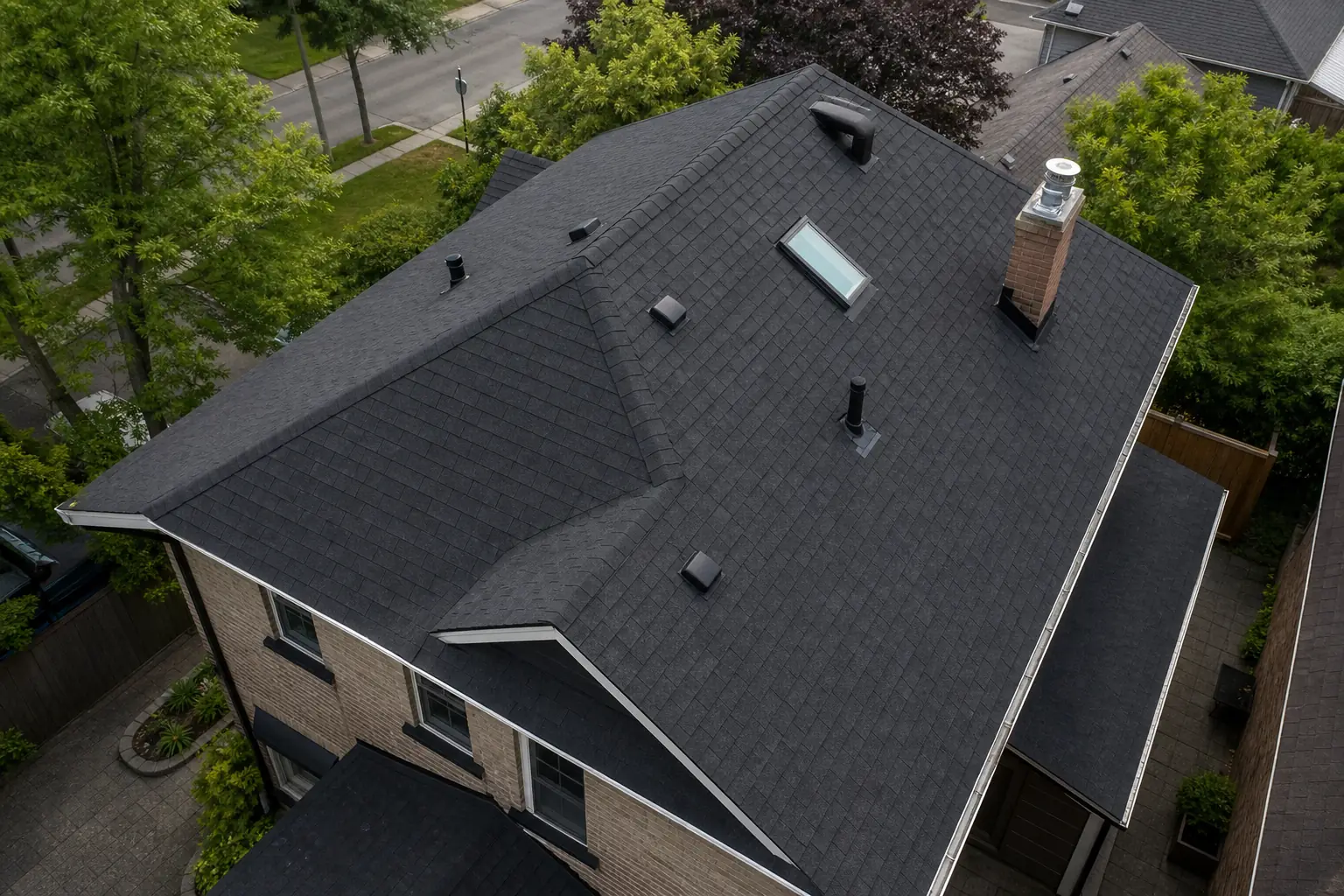
Three failure modes call for sealant repair: an isolated bead that has cracked or pulled away from the substrate, a recent installation where the wrong product was used, and a temporary fix to stop active water entry before a larger scope is scheduled. Four failure modes call for flashing replacement instead: corroded flashing under the sealant, repeated sealant failure at the same joint (signals movement or design issue), galvanic corrosion between dissimilar metals, and flashing that was installed without proper laps. The inspection identifies which case applies before any sealant goes down.
 Detail 04
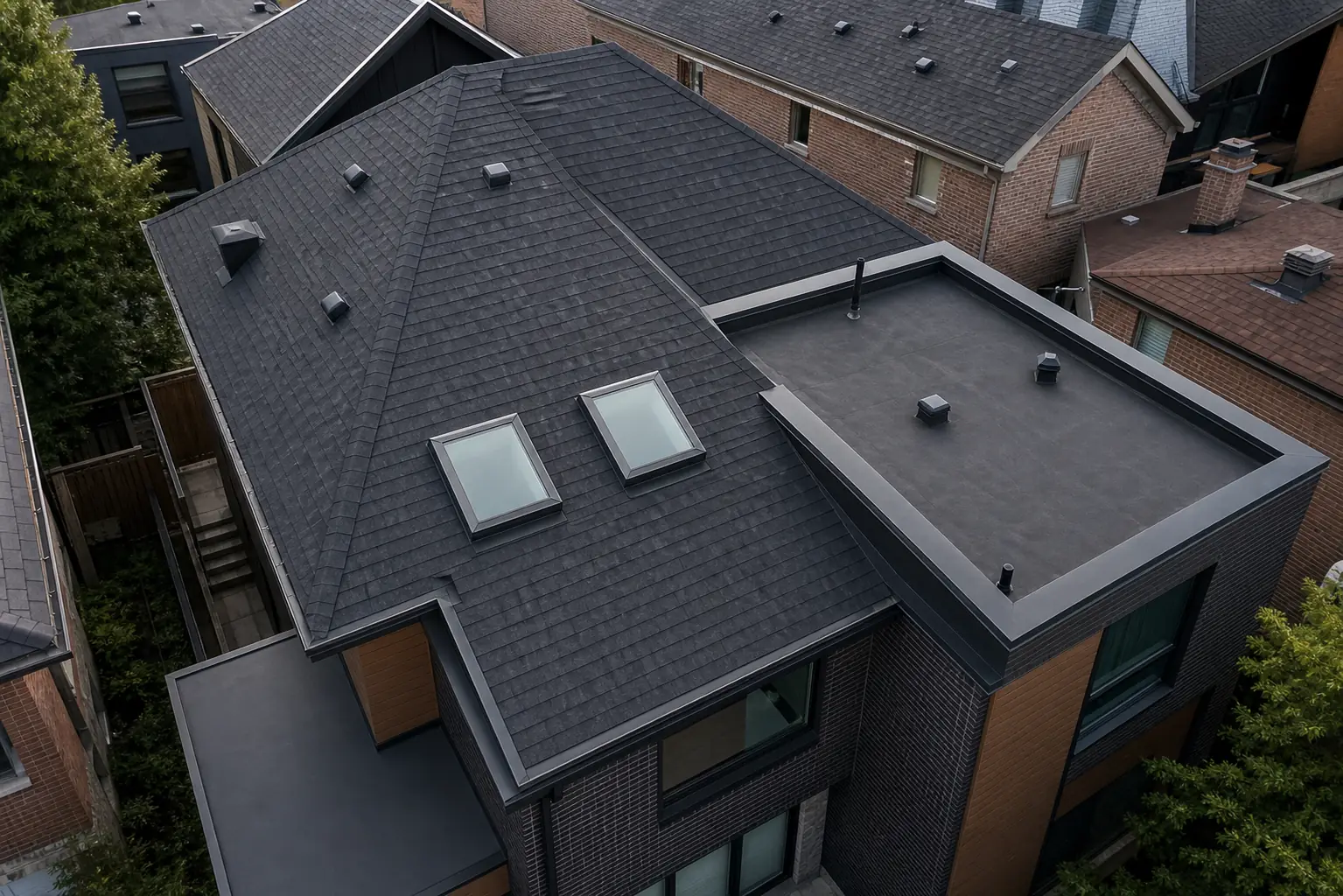
Watch for surface cracking, open laps, tired coatings, ponding stress, failed sealant, or recurring waterproofing weak points around the roof sealant. A focused inspection confirms whether the issue is isolated or part of a larger roof problem.
Detail 05We review seams, drains, penetrations, surface adhesion, upstands, edges, and traffic-worn areas before choosing repair or resurfacing. That keeps the recommendation tied to evidence instead of a generic roofing checklist.
Detail 06The repair path is built to restore the failed waterproofing layer, reinforce weak junctions, and document which areas need monitoring after heavy rain. If the damage is wider, the quote explains why a bigger scope may be needed.
Detail 07keep drains open, avoid sharp foot traffic, and inspect sealed areas after heat, freeze-thaw cycles, and major storms.
Before We Quote
Better roofing advice comes from evidence, not guesswork. This is the checklist we work through before recommending the next move.
We look beyond the obvious stain and check nearby flashing, valleys, vents, joints, and drainage paths tied to roof sealant.
The quote explains what needs immediate protection, what can wait, and what is simply surface wear.
Clear photos make the recommendation easier to understand and help you compare repair, maintenance, or replacement options.
The inspection includes nearby materials so a small fix does not leave another weak point waiting for the next storm.

Clear Recommendation
Homeowners should not have to choose between a vague patch and an oversized project. The recommendation separates immediate protection, practical repair scope, and longer-term roof health.
Stop active water entry, secure loose materials, and reduce immediate interior damage risk.
Confirm whether targeted roof sealant work can solve the problem without overbuilding the project.
Review age, ventilation, drainage, flashing, and repeated problem areas before recommending a bigger plan.
Repair Or Replace
Use these steps to move from the visible problem to a practical roofing plan. Start at step one, then only move bigger when the evidence supports it.
Surface Scan
Start here when membrane wear, surface cracks, failed coatings, or recurring waterproofing weak points can be traced to one controlled area. The goal is a focused roof sealant repair before recommending a larger project.
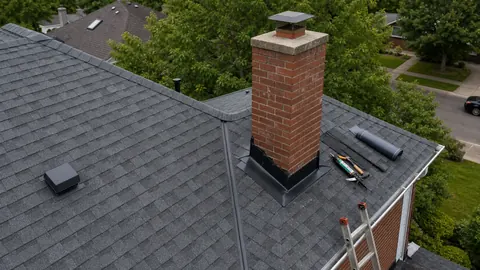
Seal Plan
Move to replacement planning when the waterproofing layer has widespread splits, ponding stress, or failed perimeter details. This keeps roof sealant requests from turning into repeated patchwork.
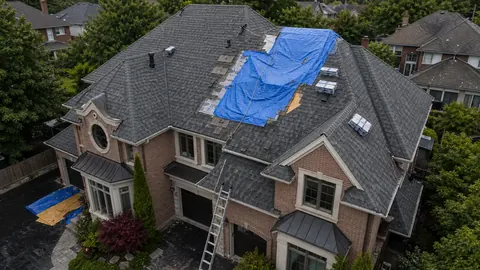
Membrane Photos
Use inspection first when the visible roof sealant symptoms do not prove the cause. Photos and notes separate repairable items from bigger roof risks.

Weather Load
Bad weather can expose weak points around roof sealant. This step checks whether the problem is urgent damage, delayed wear, or a pre-existing roof weakness.
Drainage Route
Many roof sealant requests come back to water movement. We check how rain travels across the roof, where it slows down, and which details need protection.

Edge Seal
Finish by checking the roof details around roof sealant. Small junction failures often decide whether a simple repair holds or the roof needs a broader scope.
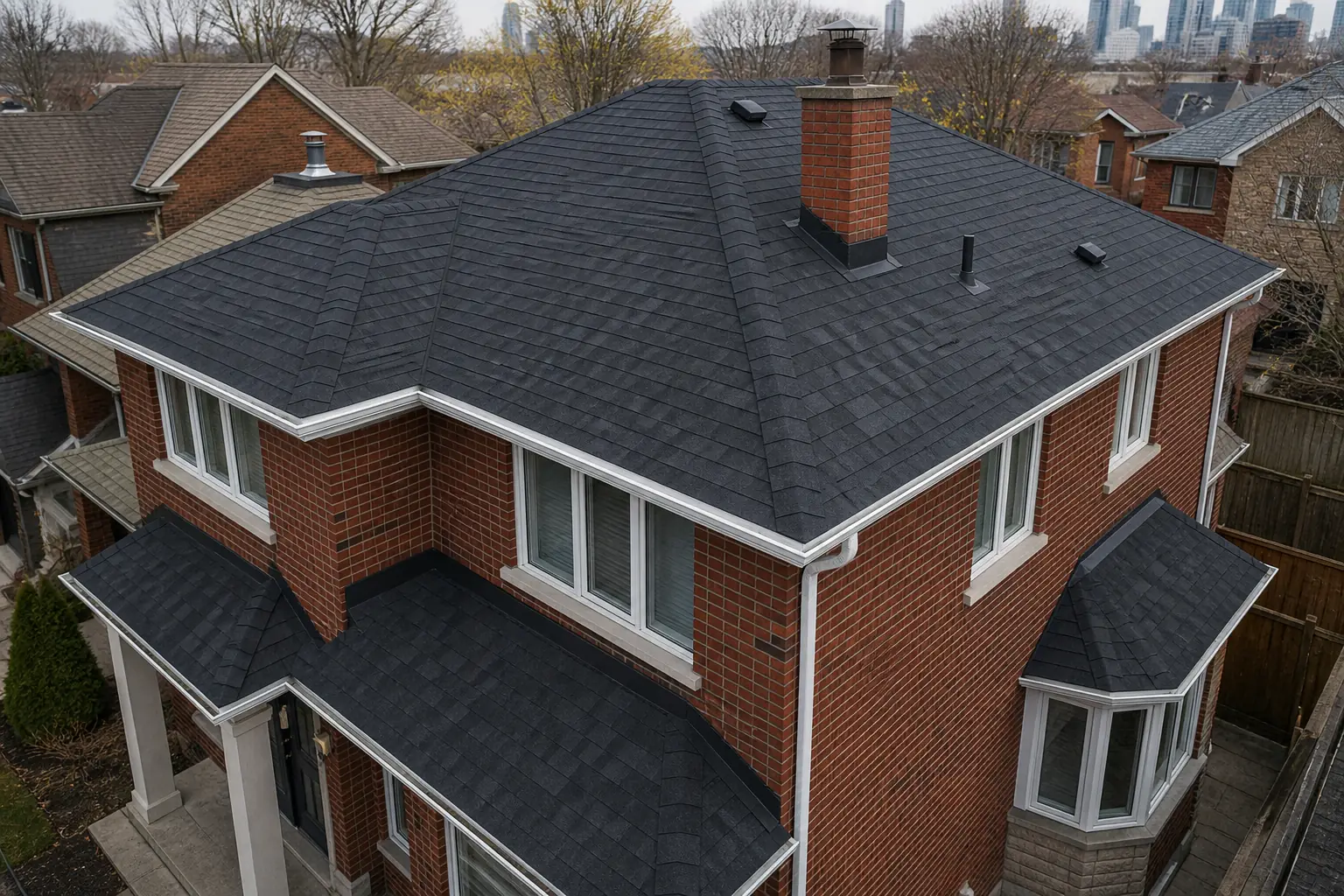
What We Do
From small repairs to complete replacements, each recommendation is focused on stopping damage, protecting the structure, and keeping the process clear.
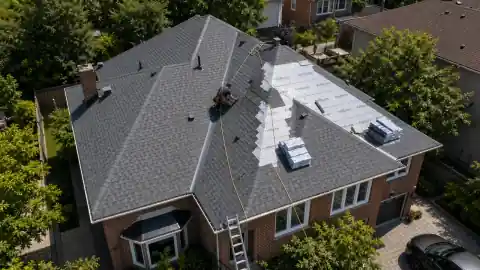
Fast help for leaks, damaged tiles, weak flashing, and weather-related roof problems before they become bigger structural issues.
Roof Repairs ->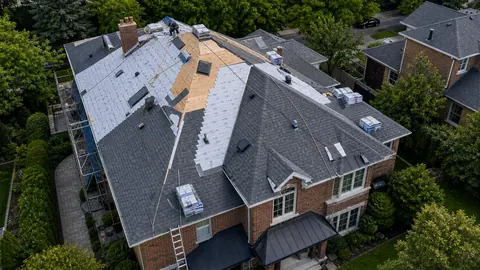
Replacement and installation support for older roofs that need a stronger, cleaner, longer-lasting roofing system.
Roof Replacement ->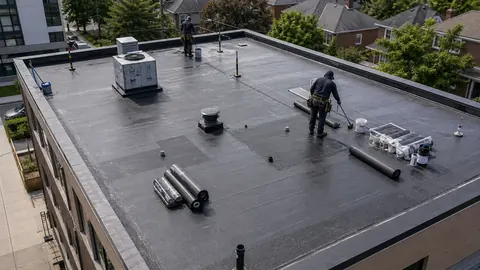
Flat roof repairs and maintenance focused on drainage, insulation, membrane performance, and long-term waterproofing.
Flat Roof Repairs ->Chimney repair support for flashing, mortar, and roofline details that can cause leaks when they are left untreated.
Chimney Repairs ->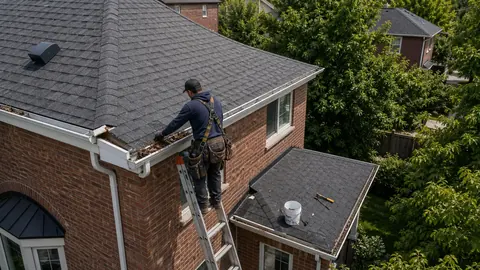
Gutter repair and maintenance that moves water away from the roofline and helps prevent avoidable exterior damage.
Gutter Repairs ->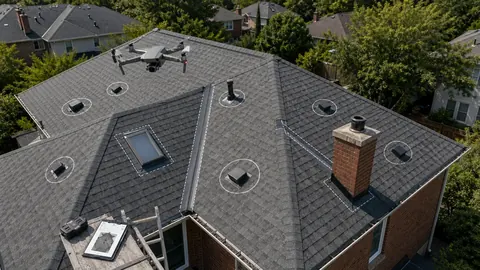
Roof inspection support for hard-to-reach details, early problem spotting, and clearer recommendations before work begins.
Drone Inspections ->Customer Reviews
"Michael called promptly, examined my roof and issued a quote. My roof was repaired within a week, and the team left everything tidy."
"The team explained the roof issue clearly and helped us understand what needed to happen before the leak spread further."
"Professional, clear about the cost, and easy to deal with from the first call through the finished work."
Service Questions
Quick answers about roof sealant before you schedule roofing work.
Polyurethane sealant on a north-facing detail: 15 to 20 years. South-facing exposed sealant: 8 to 12 years. Plastic roof cement: 3 to 5 years. The right product extends life significantly over the cheap one.
Sometimes for an emergency stop, but most DIY sealant repairs we re-do failed because the wrong product was used or the surface was not properly cleaned. Permanent sealant repair is faster done correctly the first time.
Repeated sealant failure at the same joint means the joint is moving or the underlying flashing is corroded. The right fix is flashing replacement, not a thicker bead of caulk.
Service Locations
Roofers Toronto supports homeowners across nearby communities with clear inspections, roof repairs, and practical next steps.
More Roof Repair Services
One crew, one phone number, every common roof repair across Toronto and the GTA.
Get In Touch
Call the team or send a quick quote request and we will help you understand the best next step for your roof.